
Sustaining grassroots jazz: collaboration, creativity and the road ahead
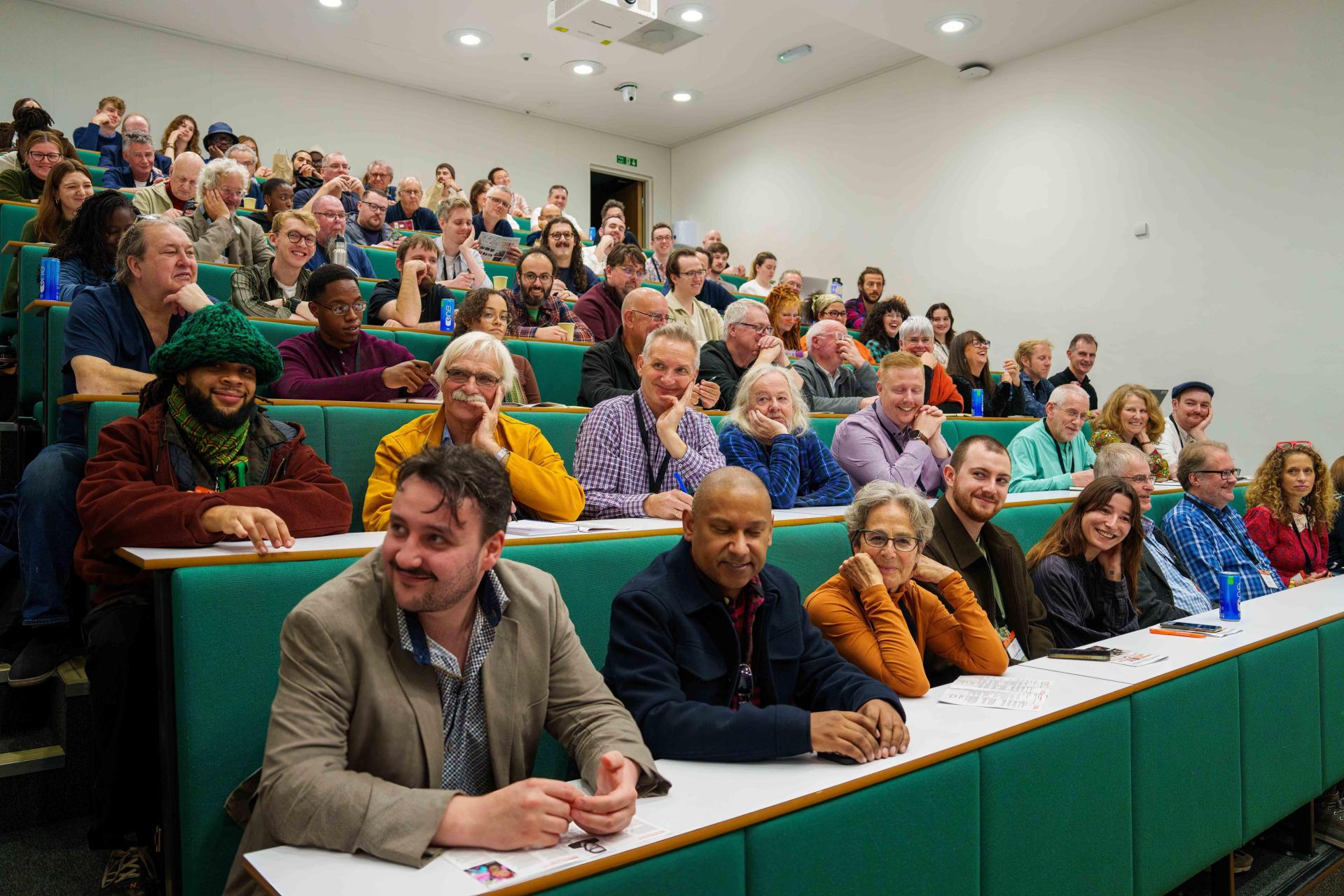
Grassroots jazz in the UK and Ireland is vibrant and essential, but precarious. At the recent Jazz Promotion Network conference, delegates from across the UK and Ireland gathered to tackle the question: How can working at the grassroots be sustainable long-term? The session was chaired by Barry Holloway, Marketing Director at Making Music and JPN board member.
The discussion was frank, passionate and solution focused. Clips from Nigel Price’s documentary An Appeal for Grassroots Jazz set the tone, reminding us that while there are only around 10 permanent jazz venues in the UK, there are hundreds of volunteer-run clubs, the lifeblood of the scene. But these clubs operate on razor-thin margins, subsidised by personal goodwill.
As one participant put it: 'It’s not sustainable, but it’s an unofficial funding model. The labour of love is itself a sort of funding.'
Reality check: key statistics
The following figures come from the All-Party Parliamentary Jazz Group’s 2025 Green Paper, Review of Jazz in England: An Honest Portrait and an Actionable Roadmap:
- Musical excellence matters most: Despite financial pressures, 88% of promoters said artistic quality is their top booking criterion
- Margins are microscopic: Grassroots music venues operate on a profit margin of just 0.5%
- Box office is king: In 2019, 79% of promoters’ income came from ticket sales
- Affordable pricing remains a priority: 45% of promoters charged £7–£10 per ticket in 2019
- Adaptation is underway: 42% of promoters introduced new strategies to cope with economic shifts and 21% became more dependent on commercial income
- Groups are under-represented: 80% of promoters are over 55, and 80% are male
- Grant success rates are dire: National Lottery Project Grants for jazz averaged 1.2% success from 2018–2023
- Venue insecurity is endemic: 60% of promoters have no formal agreement with landlords and 40% cannot make long-term plans due to venue insecurity
Themes from the session
1. Financial survival: beyond the box office
Promoters spoke candidly about the fragility of their financial models. Ticket income remains the backbone of grassroots jazz, but it’s unpredictable and often insufficient.
Creative solutions emerged:
- Audience donations: Swanage Jazz Festival raised £22,000 in four weeks via an appeal to its mailing list
- Venue partnerships: Some clubs negotiate bar revenue shares or run the bar themselves
- Private benefactors and trusts: Occasional gifts or small grants can provide vital breathing space
Funding applications were also discussed, but with frustration. For example, the National Lottery Project Grants success rate for jazz is just 1.2%, and the process is widely seen as cumbersome.
As one delegate put it: 'Making applications easier won’t help unless there’s a bigger pot for jazz.'
The consensus? Promoters need mixed sources of revenue: including ticket sales, donations and partnerships. Coordinated advocacy for systemic change in funding for jazz is vital.
2. Venues: a fragile foundation
Venue insecurity is a recurring issue. Few clubs own their premises; most depend on pubs or community halls. A change of venue management or a shift in commercial priorities can jeopardise decades of work overnight.
Participants stressed the need for:
- Symbiotic relationships: Respect venue economics; be a 'good partner'
- Meanwhile-use agreements: Work with civic authorities to access underused spaces
- Shared advocacy: Collaborate with bodies like Music Venue Trust, which has pioneered venue ownership models in the rock & pop sector
3. The next generation of jazz promoters
The sector faces a stark demographic challenge: 80% of promoters are over 55 and 80% are male (APPJG Green Paper). Succession planning is often informal or absent, raising concerns about continuity.
To help address this, JPN has launched the Routes into Jazz initiative, funded by Creative Scotland and Arts Council England. This pilot scheme (running between the 2025 and 2026 JPN conferences) will mentor a small cohort of younger professionals in England and Scotland. Participants will:
- Visit key festivals, live events, record labels, radio production companies, agents, managers and jazz education projects
- Work with an industry mentor to identify career paths, networks and placements
- Attend the 2026 JPN conference for networking and sector insight
JPN will produce a toolkit and evaluation report of the pilot scheme.
This initiative responds directly to the need for paid pathways and structured learning, ensuring that new generations can enter the jazz industry with confidence and practical experience.
As one young promoter put it: 'We do this because we love it, but long-term sustainability needs paid roles.'
4. Audience development
Audience habits are shifting. Younger listeners often prefer distinctive, experience-led events over the traditional model of jazz club nights. Attendees shared some strategies that work:
- Event-based programming: curated experiences that feel special, social and worth planning for.
- Digital-first marketing: social media and other digital outreach beat posters, flyers and local print publications.
- Subsidised pricing tiers: Essential for affordability and inclusion.
Emerging models in Birmingham and Leeds show promise, with vibrant scenes driven by younger promoters and audiences, but these successes need replication elsewhere.
5. Collaboration and collective action
The grassroots jazz sector is fragmented, and knowledge often disappears when individuals step down.
Ideas included:
- Regular meetings
- Digital collaboration tools
- Shared resources: toolkits for marketing, succession planning, funding applications, etc.
And crucially:
- JPN as a coordinating and lobbying body: to amplify the sector’s voice, build partnerships, and advocate for fair funding
6. Advocacy: the bigger picture
The imbalance in public funding is indefensible. Jazz receives 2% of Arts Council England’s live music allocation, while opera takes 49%. This is not just inequitable, it’s short-sighted. Without investment in grassroots jazz, the talent pipeline to major venues and festivals will dry up.
As one participant warned: 'If you don’t put funding into the grassroots, there will be no artists for the National Portfolio Organisations in 10 years’ time'.
7. Recommendations for the year ahead
Delegates had practical suggestions for actions over the next twelve months:
- Collaborative touring: develop regional circuits to reduce costs and expand reach
- Audience engagement: build loyalty, invite support
- Succession planning for promoters: make it a priority to build robust volunteer teams
- Routes into Jazz: JPN’s pilot mentorship scheme
- Advocacy: work with Music Venue Trust and others
Final reflection
The tone at the JPN conference was candid but hopeful. Grassroots jazz faces real threats, but also genuine opportunities. The sector’s resilience lies in its creativity, its community and its willingness to collaborate.
The challenge now is to turn conversation into action.
As one delegate summed up: 'Next year, let’s not be having the same discussion. Let’s set two or three clear goals and achieve them'.
Advertisement